Gestion de la chaîne du froid pour la réduction des déchets alimentaires surgelés: Comment faire en sorte que chaque diplôme compte 2025?
Dernière mise à jour: Décembre 4, 2025
Gestion de la chaîne du froid car la réduction du gaspillage des aliments surgelés n’est pas seulement une expression à la mode : c’est une stratégie essentielle pour quiconque manipule des produits périssables. En gérant correctement la température et la logistique des surgelés, vous pouvez réduire considérablement les déchets, protéger les profits et réduire l’impact environnemental. La recherche montre qu'un mauvais contrôle de la température provoque environ 14 % de la nourriture mondiale perdue entre la récolte et la vente au détail. Aux États-Unis seulement, le gaspillage alimentaire s'élève à 63 millions de tonnes évaluées à $382 milliard. Ce guide s'appuie sur les dernières données et réglementations jusqu'en décembre 2025 pour vous montrer comment l'excellence de la chaîne du froid peut transformer ces pertes en économies.
L’importance de la gestion de la chaîne du froid – comment le maintien du contrôle de la température réduit les déchets et permet d'économiser de l'argent.
Les technologies intelligentes transforment la logistique – y compris les capteurs IoT, analyse prédictive et blockchain, et comment ils empêchent la détérioration.
Emballage durable et logistique verte – comment les matériaux respectueux de l'environnement et les systèmes en boucle fermée réduisent les déchets et l'empreinte carbone.
Considérations réglementaires dans 2025 – quelle FSMA 204 les moyens de traçabilité et comment préparer.
Meilleures pratiques et tendances – des mesures concrètes pour optimiser chaque étape de la chaîne du froid et les dernières innovations qui façonnent l’avenir de la logistique des produits surgelés.
Pourquoi la gestion de la chaîne du froid est-elle importante pour la réduction des déchets alimentaires surgelés?
Une bonne gestion de la chaîne du froid est le moyen le plus efficace d'empêcher les aliments surgelés de se gâter avant qu'ils n'atteignent les consommateurs.. Sans contrôle continu de la température, décongeler les produits surgelés, les microbes se multiplient et la perte de nutriments s’accélère. Une mauvaise manipulation provoque environ 14 % de la nourriture mondiale perdue entre la récolte et la vente au détail, tandis que les États-Unis. les détaillants perdent à eux seuls environ $28 milliard en valeur du produit chaque année en raison du gaspillage. En veillant à ce que chaque maillon de votre chaîne du froid maintienne les produits dans leur plage de température idéale, vous pouvez réduire considérablement la démarque inconnue et améliorer vos marges.
En plus des avantages financiers, une gestion rigoureuse de la chaîne du froid protège la santé publique et l’environnement. Une étude de l'Université du Michigan a révélé que des chaînes d’approvisionnement entièrement réfrigérées pourraient éliminer environ 620 millions de tonnes de déchets alimentaires dans le monde et réduire les émissions de gaz à effet de serre associées d'ici 41 %. L'étude met en évidence d'énormes opportunités de réduction des déchets et des émissions en Afrique subsaharienne et en Asie du Sud et du Sud-Est., où une réfrigération optimisée pourrait réduire les pertes alimentaires de 45 % et les émissions jusqu'à 66 %. Quand les consommateurs achètent des produits surgelés plutôt que frais, le gaspillage alimentaire des ménages diminue considérablement: la recherche indique déchets ménagers 10.4 % de nourriture fraîche mais seulement 5.9 % de nourriture surgelée, un 47 % réduction.
Comment le contrôle de la température réduit la détérioration et les déchets
Le maintien de températures appropriées ralentit les réactions biochimiques et la croissance microbienne qui provoquent la détérioration. Même de petites variations de température de 4 à 7°C raccourcissent la durée de conservation du porc et de la volaille.. Des études estiment que 33–40 % de la nourriture mondiale est gaspillée et qu'une mauvaise gestion de la température est responsable d'une grande part de cette perte. En surveillant en permanence la température et l'humidité et en réagissant rapidement aux écarts, vous évitez la croissance bactérienne et la dégradation chimique qui conduisent au gaspillage.
La chaîne du froid comprend plusieurs étapes : de la récolte et du pré-refroidissement jusqu'au stockage au froid., transport, distribution et vente au détail. Chaque étape doit maintenir la plage de température correcte pour éviter d'endommager le produit. Des retards dans le pré-refroidissement ou une isolation inadéquate peuvent entraîner des pertes de qualité irréversibles.. Par exemple, le pré-refroidissement arrête la respiration et la croissance microbienne, tandis que les remorques multizones maintiennent différents produits à leurs températures requises pour éviter la contamination croisée..
Statistiques mondiales sur le gaspillage alimentaire
L’ampleur du gaspillage alimentaire souligne l’importance de la gestion de la chaîne du froid:
| Métrique | Valeur | Ce que cela signifie pour vous |
| Partie des États-Unis. approvisionnement alimentaire qui devient excédentaire ou gaspillé | 31 % | Près d’un tiers de la production du système alimentaire est perdu ou gaspillé, indiquant d’énormes opportunités de réduction des coûts et de durabilité. |
| Excédent alimentaire total généré aux États-Unis. dans 2023 | 73.9 millions de tonnes | Représente le volume d'aliments comestibles qui pourraient être récupérés ou évités de devenir des déchets.. |
| Valeur des surplus alimentaires en 2023 | $382 milliard | Potentiel de perte de revenus pour les entreprises qui manipulent des marchandises périssables. |
| Part des excédents alimentaires destinés aux destinations gaspillées (décharges, compostage, etc.) | 85 % | Souligne la nécessité de meilleures pratiques en matière de chaîne du froid et de systèmes de redistribution. |
| Pourcentage de réduction des déchets ménagers lors de l'utilisation d'aliments surgelés | 47 % Moins de déchets (5.9 % contre 10.4 %) | Démontre comment les produits surgelés aident les consommateurs à minimiser les déchets et à économiser de l'argent. |
Astuces et conseils pratiques
Cartographiez votre chaîne: Identifiez chaque étape où la température peut fluctuer et mettez en œuvre une surveillance pour détecter les problèmes le plus tôt possible..
Mesurer et ajuster: Utiliser les données des capteurs (discuté ci-dessous) pour ajuster les paramètres de réfrigération avant que la détérioration ne se produise.
Éduquez votre équipe: Former le personnel à l’importance du contrôle de la température, empilage approprié et transferts rapides pour réduire le choc thermique.
Promouvoir les options surgelées auprès des consommateurs: Encouragez les clients à utiliser des aliments surgelés pour réduire les déchets ménagers, un avantage qui réduit les déchets de près de moitié..
Exemple de cas: Un exportateur d'agrumes a installé des emballages isothermes et des capteurs IoT dans des conteneurs frigorifiques. Quand la porte d'un camion est restée ouverte, les données de température en temps réel ont déclenché une alerte. Le personnel a répondu rapidement, éviter la détérioration et sauvegarder l’envoi.
Dans quelles technologies transforment l’efficacité de la chaîne du froid 2025?
La technologie intelligente remodèle la gestion de la chaîne du froid en offrant une visibilité en temps réel, des informations prédictives et une plus grande transparence. Les contrôles manuels traditionnels de la température sont sujets aux erreurs; des études montrent que de telles méthodes négligent souvent les fluctuations critiques qui conduisent à un gaspillage. Les systèmes modernes combinent des capteurs IoT, plateformes cloud et intelligence artificielle pour surveiller les conditions en continu et alerter les opérateurs avant que des problèmes ne surviennent.
IoT et analyse prédictive pour la réduction des déchets
Les capteurs de température et d'humidité compatibles IoT collectent des données continues sur les conditions environnementales. Ces appareils communiquent via cellulaire, Réseaux Wi-Fi ou basse consommation et intégration avec les plateformes d'analyse cloud. Les données en temps réel permettent aux équipes logistiques de détecter les dérives de température, réacheminer les expéditions et ajuster la réfrigération avant que la détérioration ne se produise. L'analyse prédictive analyse ensuite les données historiques et actuelles pour prévoir les pannes potentielles d'équipement ou les retards d'itinéraire..
Les avantages sont importants:
Dommages au produit réduits: Environ 20 % des produits sensibles à la température sont endommagés pendant le transport en raison d'un mauvais contrôle de la température. L'analyse prédictive alerte les opérateurs des anomalies afin qu'ils puissent intervenir avant que les marchandises ne se détériorent.
Coûts de maintenance réduits: La maintenance prédictive basée sur l'IoT peut réduire les temps d'arrêt imprévus des équipements jusqu'à 50 % et réduire les coûts de réparation de 10 à 20 %.
Efficacité énergétique: Les unités de réfrigération représentent environ 70 % de la consommation totale d’énergie dans les installations de stockage frigorifique. L'analyse prédictive permet aux entreprises d'optimiser leur consommation d'énergie, réduire la consommation en 10–30 % selon l'Agence internationale de l'énergie.
Moins d'émissions: L'optimisation de la réfrigération réduit l'énergie nécessaire au maintien des températures, réduisant ainsi les émissions de gaz à effet de serre. Combiné avec les réductions potentielles de déchets mises en évidence par l'étude de l'Université du Michigan, cela fait de l’innovation dans la chaîne du froid une stratégie climatique clé.
IA, Blockchain et capteurs intelligents
Au-delà de l'IoT, Les algorithmes d'intelligence artificielle et d'apprentissage automatique traitent les données des capteurs pour détecter des modèles et prédire des événements futurs.. L'optimisation des itinéraires basée sur l'IA recommande les chemins les plus rapides avec le plus faible risque d'excursions de température. La technologie Blockchain crée des enregistrements inviolables des données de température et des mouvements de produits, améliorer la traçabilité et la confiance des consommateurs. Dans 2025, de nombreux fournisseurs de chaîne du froid expérimentent des contrats intelligents qui déclenchent des actions automatiques, telles que des paiements d'assurance, lorsque les données des capteurs révèlent une violation..
Les capteurs intelligents se présentent sous diverses formes:
| Technologie | Description | Impact de la réduction des déchets |
| Enregistreurs de données | Appareils compacts qui enregistrent la température et l'humidité à intervalles réguliers. Faible coût et simple à déployer mais fournit uniquement des données historiques. | Aide à vérifier l'historique des températures, mais manquent d'alertes en temps réel et ne peuvent donc pas empêcher la détérioration. |
| Capteurs sans fil IoT | Connectez-vous via cellulaire, Wi-Fi, LoRaWAN ou NB IoT pour transmettre des données en continu. | Fournir une visibilité en temps réel, permettant des actions correctives immédiates qui évitent les excursions de température et réduisent la détérioration. |
| Étiquettes de température RFID | Intégrez la surveillance de la température dans les étiquettes RFID; permettre la numérisation sans contact de plusieurs éléments simultanément. | Rationalisez la gestion des stocks et réduisez les erreurs humaines, assurer la traçabilité sans ralentir le débit. |
| Traceurs GPS | Combinez les données de localisation et de température, idéal pour les expéditions longue distance. | Activer l’optimisation et la sécurité des itinéraires; fournir des alertes en cas de déviation d'itinéraire ou de pics de température. |
| Conteneurs intelligents et solutions cryogéniques | Les unités avancées maintiennent des températures ultra basses grâce à des capteurs et une isolation intégrés, parfois jusqu'à –150 °C. | Indispensable pour les produits très sensibles; garantir l’intégrité de la température dans des conditions extrêmes. |
| Capteurs d'état de porte | Détectez les ouvertures et les fermetures de portes pour éviter les pics de température involontaires. | Des notifications immédiates aident le personnel à fermer les portes rapidement, éviter la détérioration et économiser de l’énergie. |
Astuces et conseils pratiques
Commencez par les points critiques: Déployez des capteurs en temps réel aux étapes les plus sensibles à la température (pré-refroidissement, cross docking et transport longue distance).
Tirer parti de l’analyse prédictive: Utiliser des plateformes d'analyse pour prévoir les pannes d'équipement et planifier la maintenance de manière proactive.
Intégrer des flux de données: Combinez les données des capteurs avec les systèmes de gestion des commandes et la planification des itinéraires pour prendre des décisions globales.
Piloter de nouvelles technologies: Testez les outils d’IA et de blockchain sur des itinéraires limités avant de les mettre à l’échelle; mesurer les impacts sur les déchets et les coûts.
Formez votre équipe: Assurez-vous que le personnel peut interpréter les alertes et comprendre comment agir sur les données en temps réel.
Cas du monde réel: Une entreprise de logistique a mis en œuvre des capteurs IoT et des analyses prédictives dans sa flotte réfrigérée. Alertes réduisant les excursions de température par 80 % et réduisez de moitié les temps d'arrêt des équipements, économiser des coûts de réparation importants.
Comment les emballages durables et la logistique verte peuvent-ils réduire les déchets?
L’emballage joue un rôle déterminant dans le maintien de la température et la réduction des déchets. Les refroidisseurs à mousse traditionnels et les plastiques à usage unique génèrent des déchets importants et offrent une isolation limitée.. Les emballages durables de la chaîne du froid utilisent des matériaux biodégradables ou recyclables et intègrent une technologie intelligente pour maintenir la température. Le marché des emballages réutilisables pour la chaîne du froid est projeté d'atteindre $4.97 milliards en 2025 et presque le double de 2034, signalant une adoption rapide.
Qu'est-ce que l'emballage durable et pourquoi est-ce important?
Un emballage durable pour la chaîne du froid remplace l'isolation à base de pétrole par des mousses à base de plantes, aérogels et matériaux à changement de phase (PCMS). Ces innovations maintiennent le contrôle de la température tout en réduisant considérablement l'impact environnemental et les coûts d'élimination.. Les conteneurs réutilisables peuvent être suivis et réutilisés pour plusieurs expéditions, créer des systèmes en boucle fermée qui réduisent la consommation de matériaux et les déchets.
D'un point de vue commercial, l'emballage durable améliore la réputation de la marque et répond aux exigences réglementaires croissantes. Les consommateurs exigent de plus en plus d’emballages écologiques; les entreprises qui adoptent des matériaux durables constatent souvent une plus grande fidélité et une plus grande différenciation sur le marché. Les emballages écologiques réduisent également les frais de mise en décharge et peuvent bénéficier d'incitations vertes ou de crédits d'impôt..
Mettre en œuvre un emballage durable pour la chaîne du froid
La transition vers un emballage durable nécessite une approche structurée:
Évaluation: Vérifiez votre utilisation actuelle des emballages et vos coûts d'élimination pour identifier les zones à déchets élevés..
Tests pilotes: Sélectionnez des itinéraires ou des produits spécifiques pour tester des emballages réutilisables ou recyclables. Mesurez les performances et le retour sur investissement avant de passer à l’échelle.
Mise en œuvre complète: Déployez des solutions efficaces dans l’ensemble de votre opération; former le personnel aux nouvelles procédures de manutention.
Amélioration continue: Surveiller les performances des emballages, optimiser la logistique des retours et explorer de nouveaux matériaux.
| Phase de mise en œuvre | Actions clés | Avantages attendus pour votre entreprise |
| Évaluation | Auditer les emballages actuels, mesurer les coûts d'élimination | Identifier les opportunités de réduction des coûts et les niveaux de déchets de référence. |
| Tests pilotes | Sélectionnez des itinéraires spécifiques; tester des alternatives durables | Valider les performances thermiques, évaluer les processus de traitement et calculer le retour sur investissement avant le déploiement complet. |
| Mise en œuvre complète | Mettre à l’échelle des solutions efficaces; personnel de formation | Atteindre 30–40 % réduction des déchets d’emballage et des coûts réduits à long terme. |
| Amélioration continue | Surveiller l'utilisation; optimiser la logistique de retour des conteneurs | Maintenir les performances, découvrez des gains d’efficacité supplémentaires et adaptez-vous aux nouveaux matériaux. |
Logistique verte et efficacité énergétique
L’emballage n’est pas le seul levier de durabilité. Les stratégies de logistique verte minimisent la consommation de carburant et les émissions tout en préservant l'intégrité des produits.:
Optimisation des itinéraires: Les algorithmes d'IA planifient des itinéraires de livraison efficaces, réduire la consommation de carburant et le temps de trajet. Combiné avec des capteurs IoT, ils garantissent que les températures restent stables tout au long du voyage.
Transferts modaux: La congélation des aliments permet, des transports moins énergivores (Par exemple, fret maritime au lieu d'air). Par exemple, le transport maritime de saumon congelé produit environ un tiers des émissions du transport aérien.
Énergie renouvelable: Les unités de réfrigération à énergie solaire et les systèmes de freinage par récupération réduisent la consommation de diesel.
Récupération des déchets: En coordonnant les retours, les contenants réutilisables et la glace carbonique peuvent être récupérés et reconditionnés, créer une boucle logistique circulaire.
Cas du monde réel: Une société pharmaceutique a adopté une isolation biodégradable et des conteneurs réutilisables pour la distribution mondiale de vaccins. Ils réduction des déchets d'emballage en 40 % et une réduction des coûts opérationnels de 25 % tout en gardant une parfaite maîtrise de la température **Réel,contrôle tout au long de leur chaîne d’approvisionnement” >.
Quelles sont les considérations réglementaires et de conformité dans 2025?
Les lois sur la sécurité alimentaire en 2025 sont plus stricts que jamais. Les États-Unis. Loi sur la modernisation de la sécurité alimentaire (FSMA) Règle finale sur les exigences relatives aux enregistrements de traçabilité supplémentaires pour certains aliments (Section 204) oblige les entreprises à maintenir enregistrements contenant des éléments de données clés associés à des événements de suivi critiques spécifiques. L'objectif est de permettre aux régulateurs de tracer les aliments tout au long de la chaîne d'approvisionnement au sein 24 heures, permettant une élimination rapide des produits contaminés et réduisant les maladies d'origine alimentaire.
Comprendre la FSMA 204 et traçabilité
La règle s'applique aux entités qui fabriquent, processus, emballer ou conserver des aliments figurant sur la liste de traçabilité des aliments (FTL). Les principales exigences comprennent:
Tenue de dossiers: Les entreprises doivent capturer les éléments de données clés (codes de lot, quantités, descripteurs et dates des unités) lors d'événements de suivi critiques tels que la récolte, refroidissement, emballage initial, expédition et réception.
24heure de réponse: Les entreprises doivent fournir des données de traçabilité à la FDA dans les délais 24 heures suivant une demande ou dans un délai mutuellement convenu.
Délais de conformité: La date de conformité initiale est janvier 20, 2026, mais la FDA a proposé de l'étendre à Juillet 20, 2028. Les entreprises devraient commencer les préparatifs dès maintenant pour éviter les perturbations de dernière minute..
Couverture: La règle s'applique aux entreprises nationales et étrangères produisant des aliments pour les États-Unis.. consommation, renforcer la responsabilité de la chaîne d’approvisionnement mondiale.
Préparation aux audits et certifications
Se conformer à la FSMA 204 et autres normes de sécurité alimentaire (Par exemple, HACCP, Programmes de l’Initiative mondiale pour la sécurité alimentaire), les entreprises devraient:
Élaborer un plan de traçabilité: Cartographiez votre chaîne d'approvisionnement, identifier les événements de suivi critiques et définir les données que vous devez capturer.
Mettre en œuvre des enregistrements numériques: Utilisez des capteurs IoT et des plateformes cloud pour générer automatiquement des journaux numériques, garantir l’exactitude des données et la facilité de récupération.
Former les parties prenantes: Éduquer les fournisseurs, les transporteurs et le personnel des entrepôts sur les obligations de tenue de dossiers et le partage de données.
Effectuer des rappels simulés: Testez votre capacité à tracer les produits à l'intérieur 24 heures; affiner votre plan en fonction des résultats.
Rester informé: Surveiller les mises à jour réglementaires : les dates de conformité à la FSMA peuvent changer, et de nouvelles règles pourraient émerger.
En intégrant la conformité dans les opérations quotidiennes, les entreprises peuvent réduire leur responsabilité et instaurer la confiance avec les clients et les régulateurs.
Quelles sont les meilleures pratiques pour réduire les déchets alimentaires surgelés dans la chaîne du froid?
La réduction des déchets est réalisable lorsque chaque étape de la chaîne du froid suit des procédures disciplinées. Vous trouverez ci-dessous les meilleures pratiques éclairées par la recherche de l'industrie et les directives réglementaires.:
Réception et stockage
Pré-refroidir rapidement: Les produits récoltés ou transformés doivent être immédiatement refroidis à leur température de stockage idéale pour arrêter la respiration et la croissance microbienne..
Entretenir une chambre froide: Maintenir les entrepôts à la température appropriée (Par exemple, –10 °C à –20 °C pour les aliments surgelés) et l'humidité pour éviter les points chauds et la condensation.
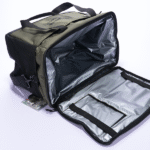
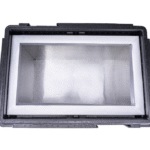
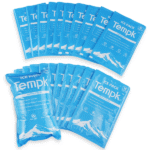
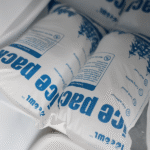
Utiliser un emballage validé: Choisir des matériaux isolants qui maintiennent les températures pendant la durée requise; pensez aux packs de gel, matériaux à changement de phase et remorques multizones.
Empilez correctement: Permettre la circulation de l'air autour des emballages et éviter de bloquer les évents, ce qui peut provoquer un refroidissement irrégulier.
Installer des dispositifs de surveillance: Des indicateurs visuels et des balises intelligentes fournissent des alertes lorsque les températures dépassent les seuils.
Transport et distribution
Planifiez soigneusement les itinéraires: Planifiez les livraisons pour minimiser le temps de transit et éviter les expositions inutiles à la température. Les outils d’optimisation d’itinéraires basés sur l’IA peuvent réduire les retards et la consommation de carburant.
Entretenir des remorques multi zones: Des compartiments séparés maintiennent les articles congelés et réfrigérés à des températures distinctes, prévenir la contamination croisée.
Surveiller les ouvertures de portes: Utilisez des capteurs d'état de porte pour détecter quand les portes sont laissées ouvertes et alerter le personnel rapidement.
Utiliser le GPS et le suivi: Combinez les données de localisation avec les données de température pour garantir que les expéditions suivent l'itinéraire prévu et maintiennent les conditions..
Gestion et éducation des consommateurs
Même après que les produits soient arrivés au détail, le comportement du consommateur détermine s’ils sont utilisés ou gaspillés. Encouragez les clients à:
Suivez les instructions de stockage: Étiquetez clairement les emballages avec les températures de stockage et les dates de péremption.
Utilisez des aliments surgelés pré-portionnés: Les aliments surgelés sont souvent présentés en portions individuelles, permettre aux consommateurs de décongeler uniquement ce dont ils ont besoin, réduisant ainsi les restes et les déchets.
Comprendre les étiquettes de date: Promouvoir des systèmes d’étiquetage de date standardisés tels que « Meilleur si congelé avant » ou « Congeler ou utiliser avant » pour réduire la confusion et les rejets inutiles.
| Meilleure pratique | Impact sur la réduction des déchets | Comment ça vous aide |
| Pré-refroidir les marchandises avant le chargement | Empêche la respiration et la croissance microbienne dès le départ | Prolonge la durée de conservation et réduit la détérioration dès la première étape. |
| Maintenir une chambre froide adéquate | Élimine les points chauds et la condensation | Assure une température uniforme, réduire la détérioration et améliorer la qualité. |
| Utiliser des remorques multizones | Maintient différents produits à leurs températures requises | Empêche la contamination croisée et la perte de qualité. |
| Surveiller les portes et la température | Des capteurs et des alertes empêchent les excursions de température | L'intervention en temps réel réduit le gaspillage, rappels et responsabilité. |
| Éduquer les consommateurs sur la taille des portions | Les aliments surgelés réduisent les déchets ménagers de près de 47 % | Aide les clients à économiser de l'argent et renforce la confiance dans vos produits. |
Astuces et conseils pratiques d'utilisation
Créer une liste de contrôle d'auto-évaluation: Évaluez chaque étape de votre chaîne (pré-refroidissement, stockage, transport, distribution) pour le contrôle de la température, suivi et documentation.
Utiliser des outils de décision: Mettre en œuvre des tableaux de bord interactifs qui affichent les températures actuelles, état des alertes et lacunes en matière de conformité; inclure des scénarios « et si » pour estimer les réductions potentielles des déchets.
Engagez vos fournisseurs: Partager les bonnes pratiques avec les partenaires; alignez-les sur vos objectifs de durabilité et de conformité.
Restez simple pour les consommateurs: Fournir des conseils de cuisine et des recettes pour les aliments surgelés afin d'encourager la consommation et de réduire le risque de brûlure du congélateur..
Cas du monde réel: Détaillants aux États-Unis. La côte ouest a signalé un 25 % réduction des invendus alimentaires après des initiatives collaboratives axées sur la prévention des déchets et l’éducation des consommateurs. Cela démontre qu’une action coordonnée tout au long de la chaîne d’approvisionnement peut produire des résultats tangibles..
2025 Développements et tendances dans la gestion de la chaîne du froid
Le paysage de la chaîne du froid évolue rapidement. Comprendre les dernières tendances vous aide à rester compétitif et conforme.
Présentation des tendances
Croissance rapide de l’industrie: L'industrie mondiale de la chaîne du froid a été évaluée à USD 228.3 milliards en 2024 et devrait atteindre USD 372 milliards 2029. Les emballages réutilisables et la numérisation sont des moteurs de croissance clés.
Boom de l’analyse prédictive: Le marché de l’analyse prédictive, valorisé à $10.2 milliards en 2023, devrait croître jusqu'à $63.3 milliards 2032. Les applications de la chaîne du froid, telles que la prévision des pannes d'équipement et l'optimisation des itinéraires, stimulent l'adoption.
L’essor des emballages intelligents: Les nouvelles mousses biodégradables et les nouveaux matériaux à base de champignons offrent une isolation de qualité commerciale tout en se décomposant en toute sécurité après utilisation.. L'emballage intelligent avec des capteurs IoT intégrés offre une surveillance de l'état en temps réel, aidant à prévenir la perte de produit.
Modèles d'économie circulaire: Les entreprises adoptent de plus en plus de systèmes en boucle fermée dans lesquels les emballages sont réutilisés plusieurs fois.. Cela réduit le gaspillage et s’aligne sur les objectifs ESG.
Portée réglementaire élargie: FSMA 204, ainsi que des lois de traçabilité similaires dans d'autres régions, pousse les entreprises à investir dans la tenue d’archives numériques et les technologies de capteurs.
Focus sur l’efficacité énergétique: Avec réfrigération utilisant 70 % d'énergie en chambre froide, l'analyse prédictive et l'intégration des énergies renouvelables deviennent des différenciateurs concurrentiels.
Exigence de transparence des consommateurs: Les acheteurs veulent savoir comment leur nourriture a été traitée. La blockchain et l'IoT fournissent des données vérifiables qui renforcent la confiance et peuvent être utilisées en marketing.
Aperçu des derniers progrès
Adoption des capteurs intelligents: Sur 65 % de la distribution pharmaceutique s'appuie désormais sur la surveillance IoT en temps réel. La logistique alimentaire emboîte rapidement le pas.
Flexibilité de la température: De nouvelles recherches suggèrent que l'augmentation des températures de stockage de –18 °C à –15 °C pourrait maintenir la qualité tout en économisant de l'énergie.. Des essais en Europe explorent ce changement.
Dynamique politique: La loi californienne visant à normaliser les étiquettes de date et les États-Unis. La stratégie nationale de réduction des pertes et du gaspillage alimentaires témoigne d’un engagement réglementaire croissant. Des initiatives similaires émergent dans le monde entier.
Forte hausse des investissements: Les investissements dans la numérisation de la chaîne du froid et la technologie des capteurs ont dépassé USD 1.4 milliard, avec du capital-risque ciblant les startups d'analyse prédictive.
Informations sur le marché et les consommateurs
Les consommateurs continuent d’adopter les aliments surgelés pour plus de commodité, abordabilité et réduction des déchets. Une étude de marché indique que plus que 80 % des consommateurs déclarent que les fruits et légumes surgelés les aident à réduire le gaspillage alimentaire. En même temps, le marché global de l’emballage durable devrait atteindre $126.50 milliards en 2025 et $240.52 milliards 2034. Cette croissance illustre l'intersection de la demande des consommateurs, considérations environnementales et pressions réglementaires.
Questions fréquemment posées
Q1: Comment la congélation des aliments réduit-elle le gaspillage par rapport à l'achat de produits frais?
La congélation conserve la valeur nutritionnelle au maximum de la fraîcheur et prolonge la durée de conservation jusqu'à plusieurs mois.. La recherche montre que les déchets alimentaires ménagers associés aux produits surgelés sont 47 % inférieur à celui des aliments frais. Les portions pré-portées permettent aux consommateurs de décongeler uniquement ce dont ils ont besoin, minimiser les restes. Pour de meilleurs résultats, suivez les instructions de stockage et évitez les décongélations et recongélations répétées.
Q2: Qu’est-ce que la FSMA ? 204 et qui doit se conformer?
FSMA 204 est-ce que les États-Unis. Règle finale de la FDA sur la traçabilité des aliments qui exige que les fabricants, processeurs, les emballeurs et les distributeurs de certains aliments enregistrer les éléments de données clés lors des événements de suivi critiques et fournir ces informations aux régulateurs au sein 24 heures. Il s'applique aux entités nationales et étrangères figurant sur la liste de traçabilité des aliments.. La date de mise en conformité est actuellement fixée à janvier 20, 2026 mais peut être prolongé jusqu'en juillet 20, 2028. Les entreprises devraient élaborer des plans de traçabilité, mettre en œuvre la tenue de dossiers numériques et former le personnel pour garantir la préparation.
Q3: Comment les petites entreprises peuvent-elles se permettre des capteurs et des analyses intelligents ??
Commencez petit. Déployez des enregistreurs de données à faible coût sur les itinéraires critiques et ajoutez progressivement des capteurs IoT en temps réel. Les plateformes d'analyse basées sur le cloud fonctionnent souvent sur la base d'un abonnement, réduire les coûts initiaux. Les projets pilotes vous aident à quantifier les économies réalisées grâce à la réduction des déchets et à une maintenance réduite., établir l'analyse de rentabilisation en faveur d'un déploiement plus large.
Q4: Quels sont les avantages d’un emballage durable au-delà de l’impact environnemental?
L'emballage durable réduit les coûts d'élimination, s'aligne sur les réglementations et améliore la réputation de la marque. Les conteneurs réutilisables livrent souvent 30–40 % réduction des déchets et des coûts réduits à long terme. Les matériaux avancés comme les aérogels et les PCM offrent des performances thermiques supérieures tout en utilisant moins de ressources.
Résumé et recommandations
La gestion de la chaîne du froid pour la réduction des déchets alimentaires surgelés nécessite une approche holistique. Contrôle de la température à toutes les étapes de la chaîne d'approvisionnement, adoption de technologies intelligentes, emballage durable, conformité réglementaire et éducation des consommateurs sont les piliers du succès. Les principaux points à retenir comprennent:
Maintenir un contrôle strict de la température de la récolte à la consommation. Des fluctuations mineures de température peuvent réduire considérablement la durée de conservation.
Tirez parti des capteurs IoT et de l’analyse prédictive pour surveiller les conditions, anticiper les pannes et réduire la consommation d’énergie.
Adopter des emballages durables en utilisant réutilisable, matériaux biodégradables et boucler la boucle avec la logistique de retour.
Se préparer à la FSMA 204 conformité en développant des plans de traçabilité et en adoptant la tenue d’archives numériques.
Engager les consommateurs avec des étiquettes claires et des campagnes éducatives; les aliments surgelés aident les ménages à réduire leurs déchets de près de moitié.
Plan d'action
Réaliser un audit de la chaîne du froid: Utilisez la liste de contrôle d'auto-évaluation fournie pour identifier les points faibles du contrôle de la température et de la documentation..
Piloter une technologie intelligente: Choisissez une gamme de produits à haut risque et implémentez des capteurs IoT avec des analyses prédictives. Mesurer les améliorations en matière de réduction des déchets et de coûts de maintenance.
Passer à des emballages durables: Commencez par des itinéraires à volume élevé; tester les contenants isothermes réutilisables ou recyclables et mesurer les économies de coûts.
Élaborer un plan de traçabilité: Cartographier les événements de suivi critiques et les éléments de données clés; mettre en œuvre la tenue de registres numériques pour respecter la FSMA 204 exigences.
Éduquez votre équipe et vos clients: Fournir une formation et des ressources pour garantir que tout le monde comprend l’importance du contrôle de la température, manipulation appropriée et réduction des déchets. Proposer des recettes et des conseils aux consommateurs pour utiliser efficacement les aliments surgelés.
À propos du tempk
Tempk est un innovateur leader dans les solutions de chaîne du froid, proposer des emballages isothermes réutilisables, packs de glace en gel et systèmes de surveillance avancés. Nous sommes spécialisés dans le développement durable, emballage thermique haute performance qui maintient les produits à la température idéale tout en minimisant l'impact environnemental. Notre R&L'équipe D développe continuellement de nouveaux matériaux, tels que des mousses écologiques et des gels à changement de phase, et intègre des capteurs intelligents pour offrir une visibilité en temps réel.. Avec des décennies d’expérience dans l’industrie et des certifications mondialement reconnues, nous aidons les entreprises à se mettre en conformité, réduire les déchets et améliorer l’intégrité des produits.
Appel à l'action: Prêt à optimiser votre chaîne du froid? Contactez les experts de Tempk dès aujourd'hui pour une évaluation sur mesure et découvrez comment nos solutions peuvent réduire les déchets., améliorez la conformité et augmentez vos résultats.